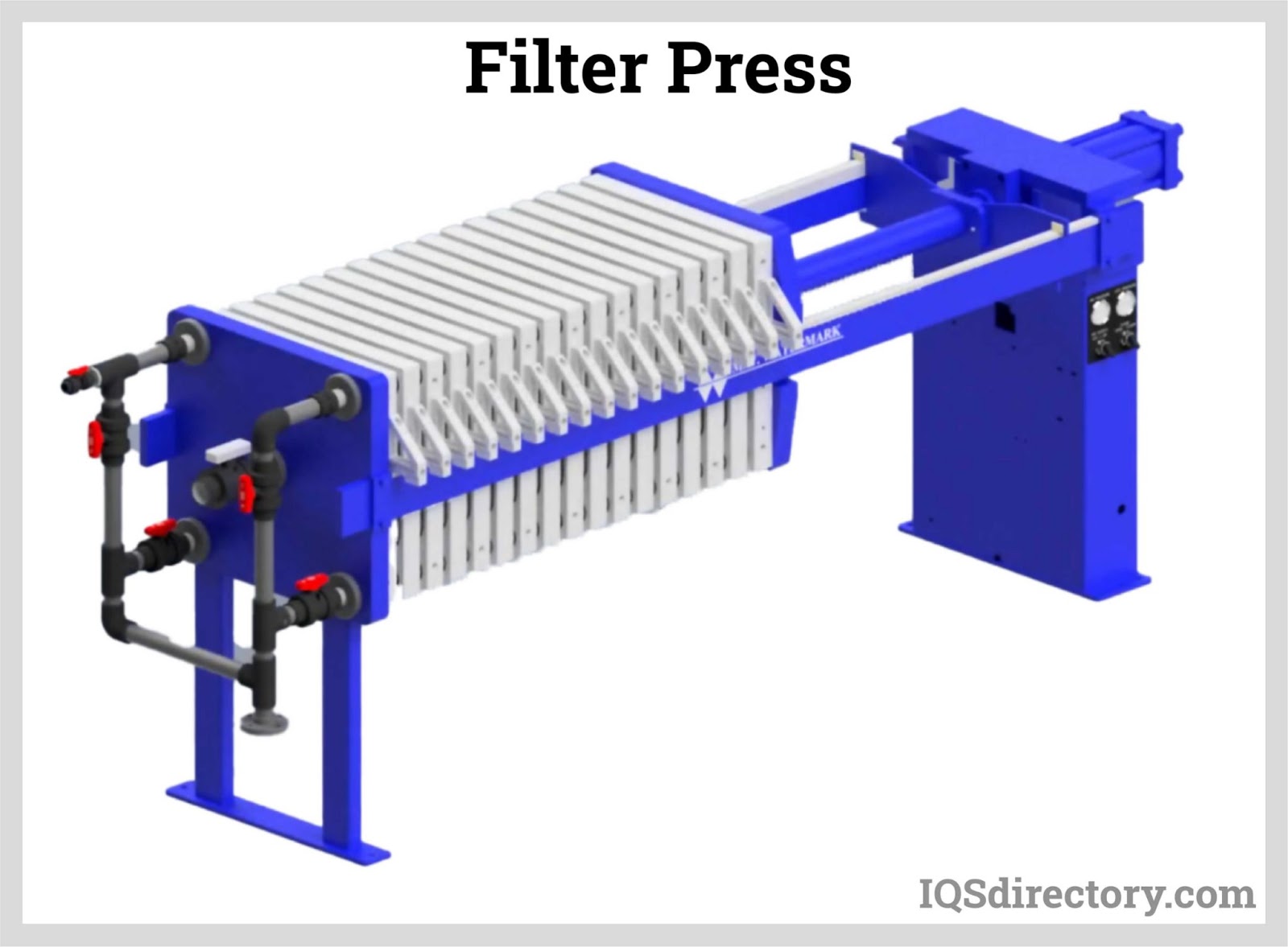
The filter itself is the frame or housing mechanism that holds the media in place as a process stream is run through them. The media or material is responsible for the entrapment, collection or dissolution of impurities. Read More…
Liquid filters are just a part of our complete line of filters and cartridges. Shelco is dedicated to providing our customers with excellent quality customer service and high quality products. This is shown through our state-of-the-art research and development team working to increase performance while reducing costs. We take pride in the fact that Shelco filters are distributed and used all over ...

Clean Liquid Systems is a leading manufacturer of air and liquid filters. Our number one priority is to create the best filters that match the needs of our customers. We strive to have a fast turnaround while not reducing the quality of our products. Filtration is the only thing we do and ensure that we make our products right. We provide our customers with hundreds of years of experience and...
At Great Lakes Filters, we specialize in providing advanced liquid filtration solutions that keep industrial systems running clean, efficient, and reliable. With decades of experience in the filtration industry, we have developed a deep understanding of how to meet the demanding requirements of diverse applications—from metalworking fluids and coolants to chemical processing, water treatment,...
At Ryan Herco Flow Solutions, we are dedicated to providing high-quality liquid filtration products that keep critical processes running smoothly. Our expertise lies in helping customers solve complex fluid management challenges, and our liquid filters are at the heart of those solutions.



More Filter Media Manufacturers
Comprehensive Guide to Filter Media: Applications, Types, and Selection Criteria
Filtration is essential to the safe and productive daily operations of most industrial and commercial facilities. Filter media play a crucial role in maintaining air and water purity, protecting sensitive equipment, and ensuring compliance with stringent environmental and health regulations. Industries such as water treatment, sewage processing, medical and pharmaceutical manufacturing, food and beverage production, chemical processing, aviation, aerospace, laboratory research, electronics, automotive, construction, mining, and agriculture all rely on advanced filtration systems. These sectors must meet regulatory standards set by agencies like the Food and Drug Administration (FDA), U.S. Department of Agriculture (USDA), Occupational Safety and Health Administration (OSHA), and other national and international committees concerned with air quality and water safety.
What is Filter Media?
Filter media refers to the material or combination of materials used in filtration processes to separate, capture, or remove contaminants from liquids or gases. The effectiveness of a filter media is determined by its structure, material composition, and suitability for the specific application. Whether you are dealing with particulate removal, microbial reduction, chemical absorption, or oil-water separation, choosing the right filter media is critical for operational efficiency and product quality.
Common Industrial and Commercial Applications of Filter Media
Filter media are integral to countless industries and processes. Here are some of the most important application areas:
- Water and Wastewater Treatment: Removal of suspended solids, bacteria, viruses, and chemical contaminants from drinking water, industrial process water, and municipal wastewater.
- Air Filtration and HVAC: Purifying air in commercial buildings, cleanrooms, hospitals, laboratories, and manufacturing plants by trapping dust, pollen, allergens, and airborne pathogens.
- Pharmaceutical and Biotech Production: Ensuring sterile environments and product purity by filtering out microorganisms and particulates.
- Food and Beverage Processing: Achieving regulatory compliance and product safety by removing impurities, bacteria, and unwanted flavors or odors from ingredients and final products.
- Chemical Processing: Filtering catalysts, separating phases, and protecting sensitive process equipment from fouling or corrosion.
- Automotive and Aerospace: Maintaining the purity of lubricants, fuels, hydraulic fluids, and compressed air systems to enhance performance and reliability.
- Mining and Metals: Clarifying process water, recovering valuable minerals, and controlling dust emissions.
- Agriculture and Irrigation: Preventing clogging of drip irrigation systems and removing particulate matter from irrigation water.
Domestic and Consumer Uses of Filter Media
Beyond industrial and commercial settings, filter media play a vital role in household and consumer products. Common applications include:
- Drinking Water Purification: Removing contaminants such as chlorine, lead, bacteria, and microplastics to ensure safe, great-tasting water.
- Home HVAC and Air Purifiers: Improving indoor air quality and reducing exposure to allergens, pet dander, smoke, and volatile organic compounds (VOCs).
- Aquarium Filtration: Maintaining water clarity and protecting aquatic life by filtering out debris, ammonia, and harmful substances.
- Swimming Pool and Spa Filtration: Removing dirt, oils, and microorganisms to keep recreational water clean and safe.
- Appliance Protection: Preventing scale, sediment, and particulates from damaging water heaters, dishwashers, and washing machines.
How Do Filter Media Work?
Filter media process contaminated materials in a passive manner: the media themselves are stationary, while the process stream—whether gaseous or liquid—is pushed, pulled, or otherwise directed through the filter. These fibrous or porous materials are composed of fine or coarse semi-permeable matrices that physically trap, chemically absorb, or biologically neutralize contaminants, while allowing the base product (gas or liquid) to pass through. Engineers and designers must carefully select filter media based on the properties of the fluid, the size and nature of contaminants, and the performance requirements of the system.
Key Mechanisms of Filtration
- Mechanical filtration: Physically trapping particles larger than the pore size of the media (e.g., sediment filters, depth filters).
- Adsorptive filtration: Using surface chemistry to attract and capture dissolved molecules or ions (e.g., activated carbon, zeolites).
- Biological filtration: Supporting microbial colonies that break down organic contaminants (e.g., biofilters in wastewater treatment).
- Chemical filtration: Media react with or neutralize specific contaminants (e.g., ion exchange resins, catalytic filters).
Types of Filter Media: Materials and Formats
Filter media are available in a wide variety of materials and configurations to suit diverse industrial, commercial, and domestic needs. Understanding the options can help you choose the right solution for your application:
Organic Filter Media
Organic options are increasingly popular, especially with the advent of sustainable and eco-friendly manufacturing. Common organic filter media include:
- Activated Carbon: Highly porous material derived from coal, coconut shell, or wood. Widely used in water treatment, air purification, and chemical adsorption applications due to its large surface area and ability to remove chlorine, VOCs, and odors.
- Clay: Used for adsorbing chemical contaminants, such as acids and surfactants, in water and industrial filtration.
- Diatomaceous Earth: A naturally occurring, high-absorption, low-bulk-density filter medium ideal for swimming pools, beverage production, and fine particle removal.
- Cellulose-Based Materials: Includes paper, cotton, and wood pulp, commonly used in air and liquid filtration, automotive oil filters, and food processing.
- Sand: Utilized in large-scale water treatment, municipal filtration, and swimming pool filters for its cost-effectiveness and ability to remove suspended solids.
Synthetic Filter Media
Synthetics offer durability, chemical resistance, and consistent performance. However, disposal and environmental impact are growing concerns. Key synthetic filter media include:
- Polypropylene: Widely used in cartridge filters, melt-blown and spun-bond formats for water, oil, and chemical filtration.
- Polyvinylidene Chloride (PVDC) and Polysulfone: Used in membrane filters for ultra-pure water and sterile filtration in pharmaceuticals and electronics.
- Fiberglass and Glass Wool: Common in HVAC air filters, industrial dust collectors, and insulation applications due to their high temperature resistance and fine particle capture.
- Ceramics: Ideal for microbial and heavy metal removal in water purification and high-temperature gas filtration.
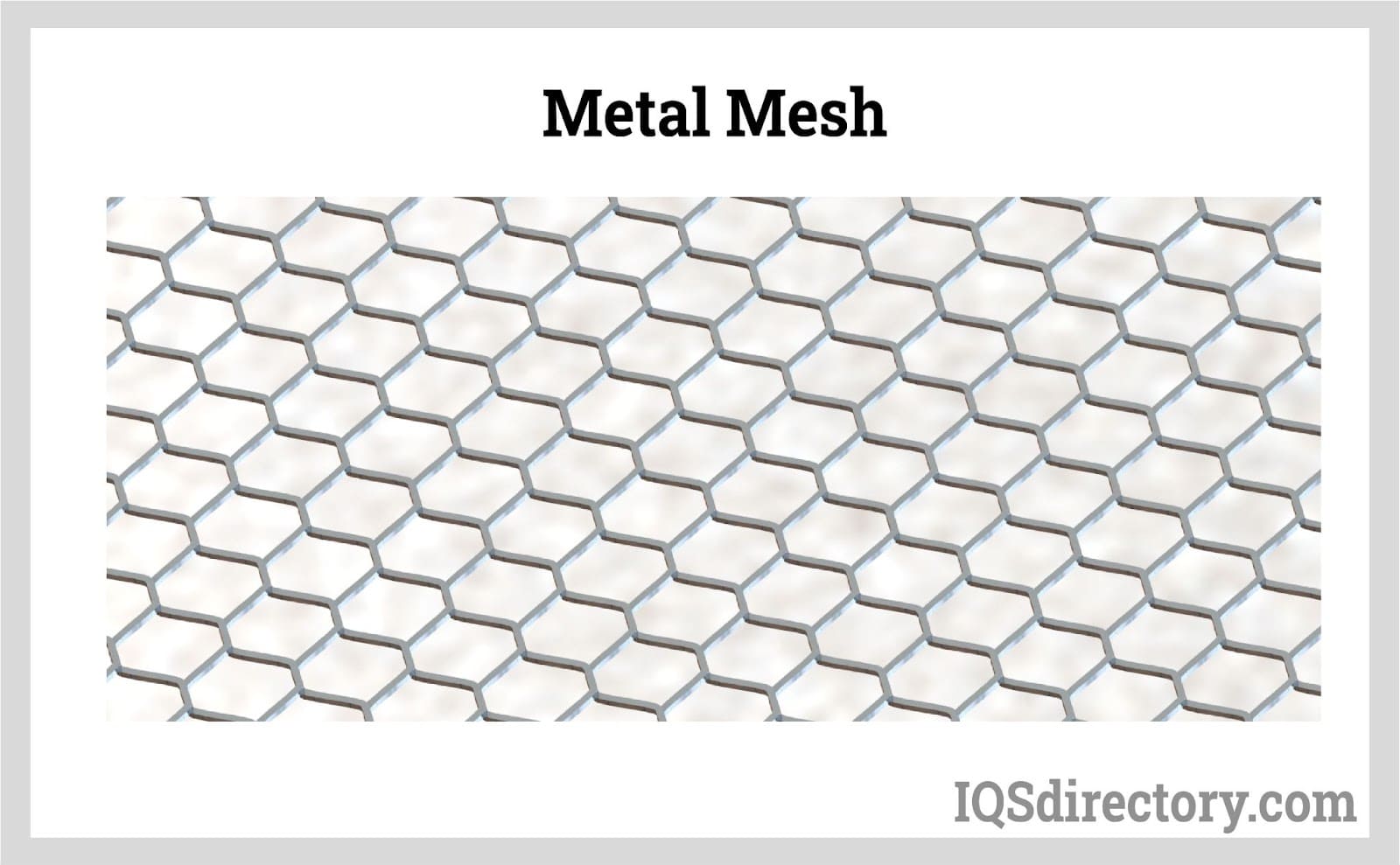
- Sintered Glass and Porous Metals: Employed in laboratory, food and beverage, and chemical processing for precision filtration and durability under harsh conditions.
Filter Media Formats and Product Types
Filter media are engineered into a range of product formats to meet specific operational needs. Explore popular filter media products:
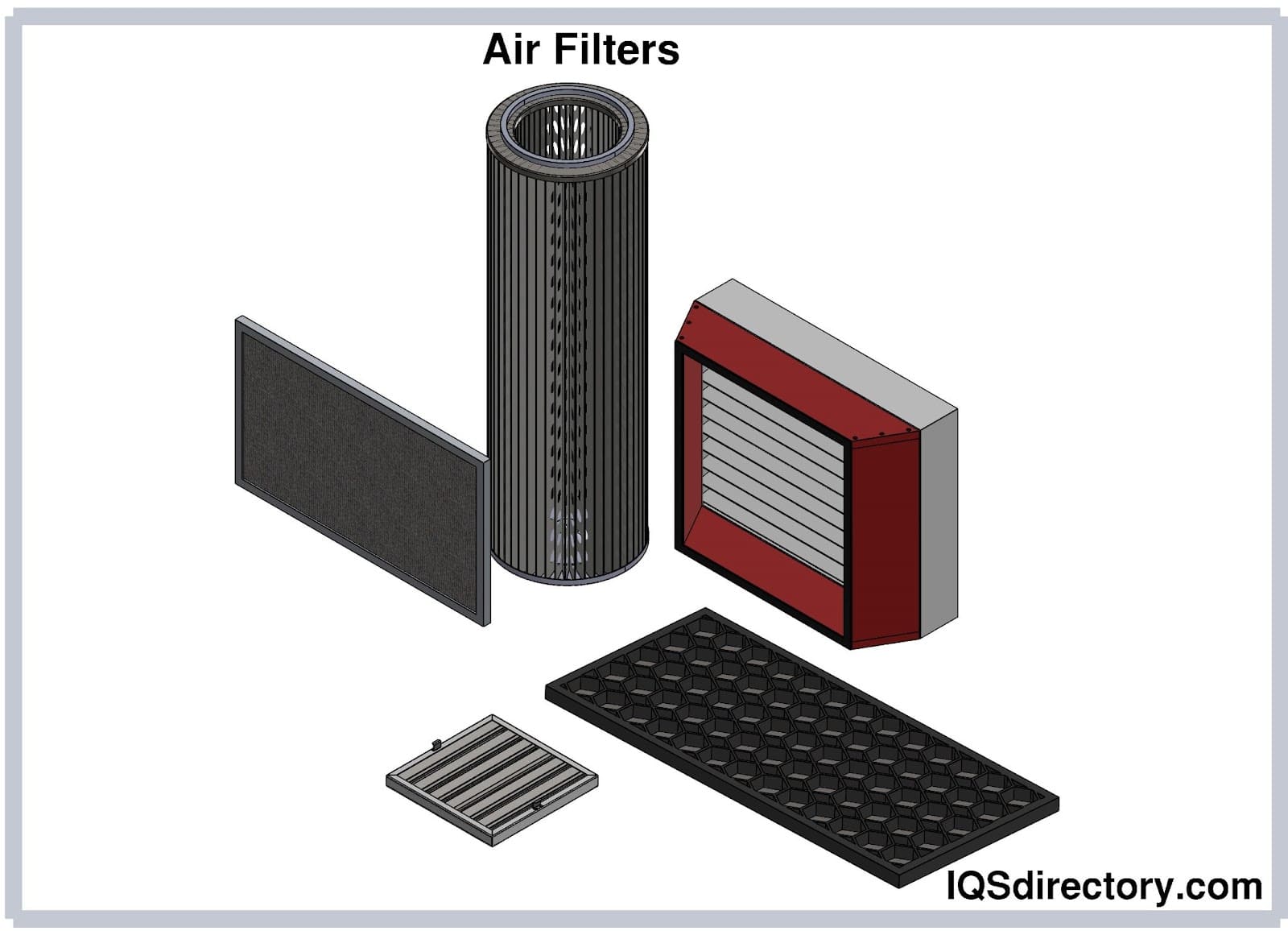
- Filter Cartridges: Replaceable elements found in water filtration systems, laboratory equipment, and process industries.
- Filter Bags: Used in industrial dust collection, bulk solids handling, and liquid filtration for high-flow or heavy-duty applications.
- Filter Panels and Pads: Flat or pleated media installed in HVAC systems, cleanrooms, and paint booths.
- Membrane Filters: Used for microfiltration, ultrafiltration, nanofiltration, and reverse osmosis to achieve precise separation of particles, bacteria, and dissolved species.
- Depth Filters: Multi-layered or thick media designed to capture contaminants throughout the media bed, ideal for high-load or turbid fluid streams.
Key Factors in Selecting Filter Media
With so many options available, selecting the right filter media demands careful consideration of technical and operational factors. Ask yourself:
- What contaminants are you targeting? (e.g., sediments, metals, bacteria, organics, oils, or chemicals)
- What is the required filtration efficiency or micron rating?
- Is the process stream a liquid or a gas?
- What are the operating temperature and chemical compatibility requirements?
- What flow rate and pressure drop can your system tolerate?
- How frequently must the filter media be changed or cleaned?
- Are there regulatory or environmental standards that must be met?
- What is your total cost of ownership, including media replacement and disposal?
Performance Criteria to Evaluate
- Filtration Grade or Micron Rating: The minimum particle size retained by the media.
- Porosity: The volume of open space in the media, affecting flow rate and dirt-holding capacity.
- Flow Rate: The rate at which the process stream passes through the filter media.
- Filter Load Capacity: The total amount of contaminant the media can hold before requiring replacement.
- Efficiency: The percentage of contaminants removed under standard conditions.
- Absorption/Adsorption Properties: The ability to capture dissolved substances or specific chemicals.
- Temperature and Chemical Resistance: The media’s ability to maintain performance under harsh process conditions.
Benefits of High-Performance Filter Media
Choosing advanced filter media can deliver substantial benefits, including:
- Compliance with Regulatory Standards: Meet or exceed requirements for product quality, workplace safety, and environmental protection.
- Protection of Equipment and Processes: Minimize wear, fouling, corrosion, and maintenance downtime.
- Improved Product Quality: Ensure clarity, purity, and consistency in finished goods.
- Operational Cost Savings: Extend equipment life, reduce energy consumption, and lower labor costs through longer media service life and fewer replacements.
- Enhanced Sustainability: Use biodegradable or recyclable media to reduce environmental impact and improve green manufacturing initiatives.
Comparing Filter Media: Which Type is Right for Your Needs?
Not sure which filter media is best for your application? Compare the most common types:
| Media Type | Strengths | Typical Applications | Environmental Impact |
|---|---|---|---|
| Activated Carbon (Organic) | Excellent adsorption of organic compounds, chlorine, and odors | Water purification, air purifiers, food & beverage, chemical manufacturing | Biodegradable, renewable sources available |
| Polypropylene (Synthetic) | High chemical resistance, durability, cost-effective | Water & oil filtration, cartridge filters, industrial processes | Non-biodegradable, recyclable in some cases |
| Fiberglass (Synthetic) | Fine particle capture, high temperature tolerance | HVAC, dust collection, high-temp gas filtration | Non-biodegradable, can be recycled |
| Diatomaceous Earth (Organic) | High absorption, fine particle removal | Pool filters, beverage clarification, microfiltration | Natural material, low impact |
| Ceramic (Synthetic/Inorganic) | Microbial and heavy metal removal, long life | Drinking water, laboratory, industrial air & gas | Reusable, low environmental impact |
Frequently Asked Questions About Filter Media
- What is the difference between depth and surface filter media? Depth filters trap particles throughout the thickness of the media, providing higher dirt-holding capacity and longer life. Surface filters capture particulates on the outer layer and are best for low-load, high-efficiency applications.
- How often should filter media be replaced? Replacement frequency depends on the application, contaminant load, and type of media. Check manufacturer recommendations and monitor pressure drop or flow reduction for best results.
- Are there eco-friendly or sustainable filter media options? Yes! Look for biodegradable media such as cellulose, coconut shell carbon, or recycled materials. Many manufacturers now offer sustainable options for both industrial and domestic use.
- How do I know which filter media is compatible with my process chemicals? Consult chemical compatibility charts and supplier technical data sheets. Always verify with small-scale tests or pilot studies before full-scale implementation.
- Can filter media remove viruses and bacteria? Specialized media such as membrane filters, ceramic filters, and certain activated carbons can effectively remove or reduce pathogens from water or air. Confirm performance claims with independent certifications.
How to Choose the Right Filter Media Supplier
Partnering with a reputable filter media supplier ensures product quality, technical support, and regulatory compliance. Consider these factors when evaluating filter media manufacturers and distributors:
- Product range and customization: Do they offer the types and grades of filter media you need?
- Technical expertise: Can they provide engineering guidance and application support?
- Certifications and compliance: Are their products certified for food contact, pharmaceutical use, or environmental safety?
- Quality assurance: What testing and quality control measures are in place?
- Lead times and logistics: Are they able to meet your delivery schedules and quantity requirements?
- After-sales support: Do they offer troubleshooting, training, or ongoing product support?
Filter Media Use Cases and Industry Solutions
Explore industry-specific case studies and real-world examples of filter media in action:
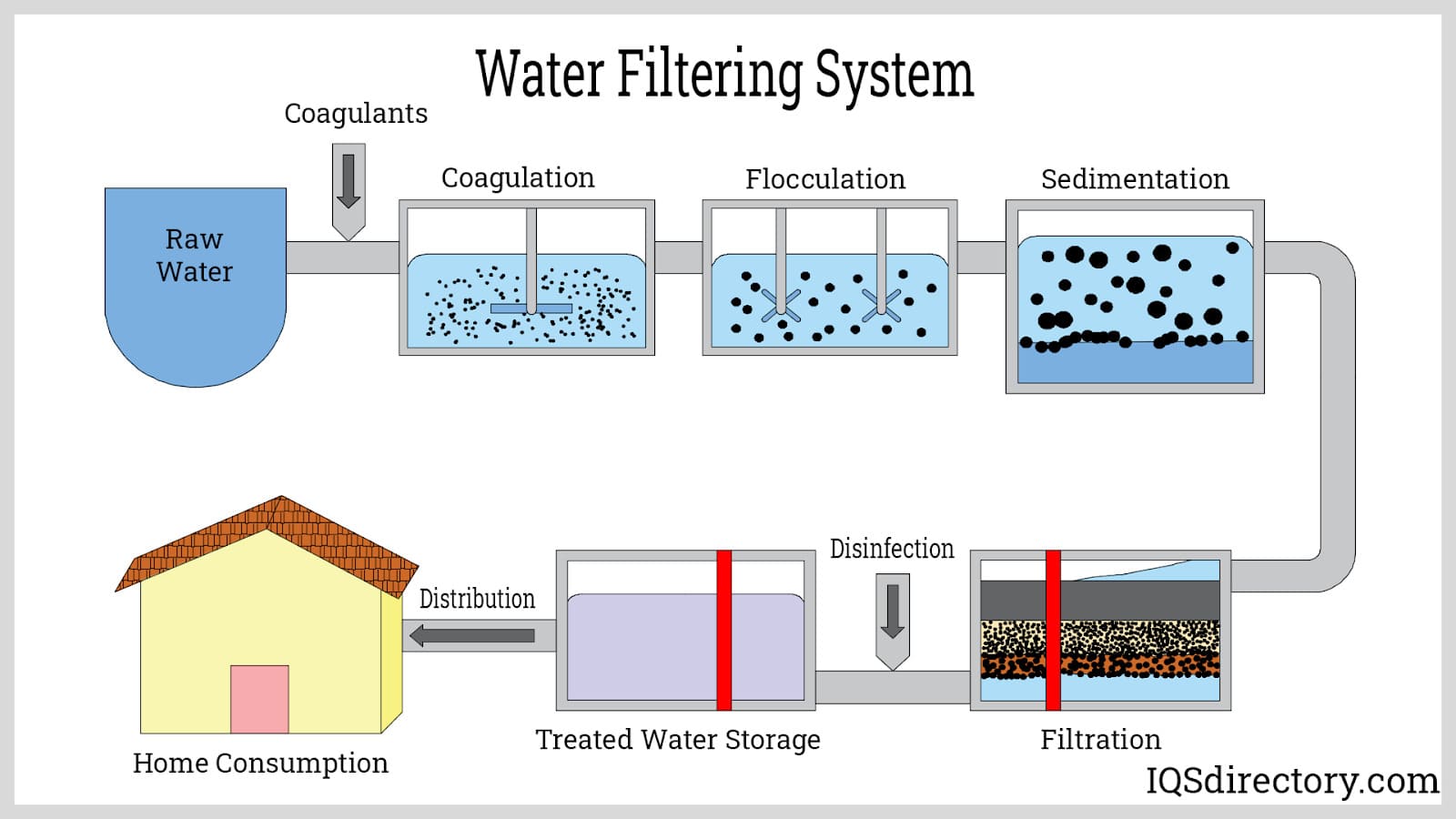
- Municipal Water Treatment Plant: Multi-stage sand, activated carbon, and membrane filtration systems ensure compliance with EPA drinking water standards.
- Pharmaceutical Manufacturing: Sterile membrane filters and depth media protect products from microbial contamination and meet FDA regulations.
- Food Processing Facility: Cellulose and diatomaceous earth filters remove sediments, yeast, and bacteria for clear, safe beverages.
- Industrial Paint Booth: Fiberglass panel filters capture overspray and maintain clean air for high-quality finishes.
- Mining Operation: Synthetic filter bags and ceramic elements clarify process water, optimize mineral recovery, and reduce discharge pollutants.
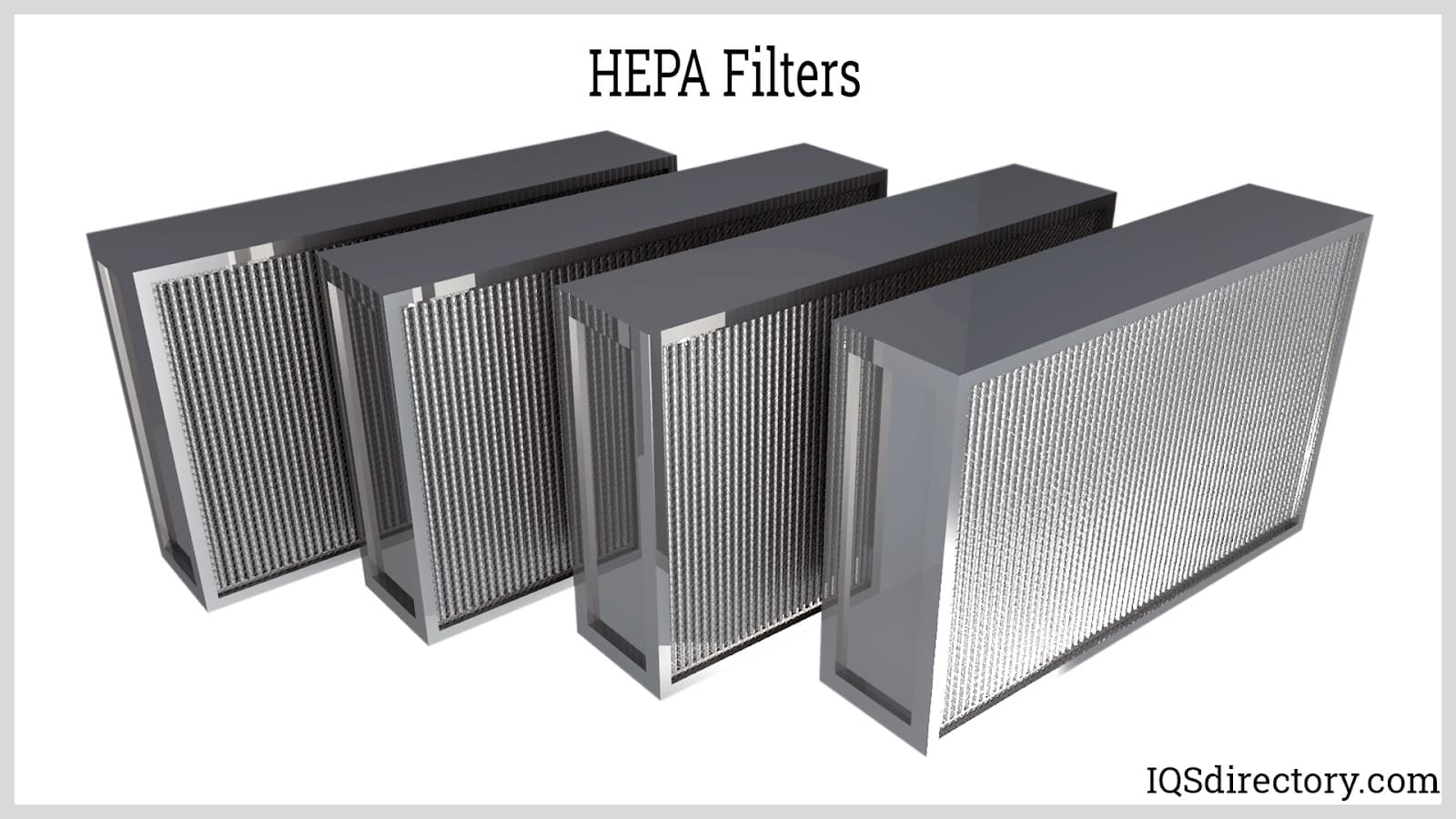
- HVAC in Healthcare: HEPA and ULPA filters provide ultra-clean air in hospitals and laboratories, protecting patients and sensitive equipment.
Ready to Specify a Filter Media Solution?
Still have questions about filter media selection, compatibility, or performance? Contact a filtration expert or explore gas filter options for your specific industry needs.
Related Topics and Further Reading
Whether you’re improving facility safety, upgrading to green filtration, or seeking greater efficiency, understanding filter media is the foundation of any successful filtration system. Invest in the right materials and technologies to protect your people, processes, and the environment—now and for the future.
 Air Filters
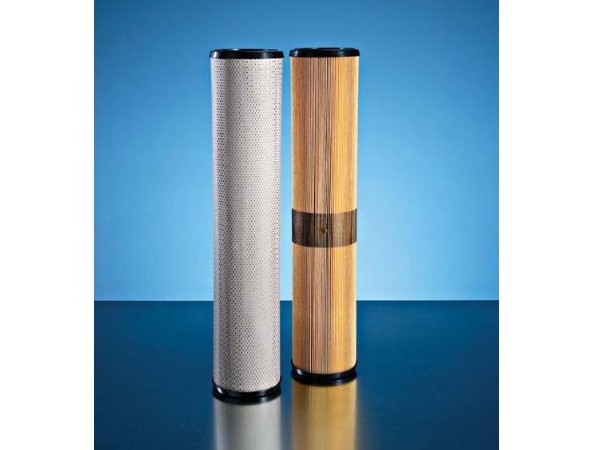 Liquid Filters
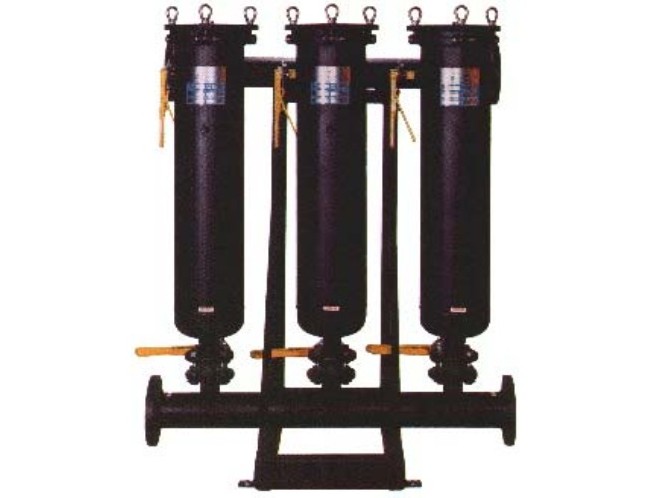 Filtering Systems
 Castings & Forgings
 Bulk Material Handling
 Electrical & Electronic Components
 Flow Instrumentation
 Hardware
 Material Handling Equipment
 Metal Cutting Services
 Metal Forming Services
 Metal Suppliers
 Motion Control Products
 Plant & Facility Equipment
 Plant & Facility Supplies
 Plastic Molding Processes
 Pumps & Valves
 Recycling Equipment
 Rubber Products & Services