A strainer is a filter used for retaining or removing contaminants from liquids. Common types of strainers include basket strainers, duplex strainers, self-cleaning strainers, and temporary strainers. Strainers are a great solution for water treatment applications. Read More…
Liquid filters are just a part of our complete line of filters and cartridges. Shelco is dedicated to providing our customers with excellent quality customer service and high quality products. This is shown through our state-of-the-art research and development team working to increase performance while reducing costs. We take pride in the fact that Shelco filters are distributed and used all over ...

Clean Liquid Systems is a leading manufacturer of air and liquid filters. Our number one priority is to create the best filters that match the needs of our customers. We strive to have a fast turnaround while not reducing the quality of our products. Filtration is the only thing we do and ensure that we make our products right. We provide our customers with hundreds of years of experience and...
At Great Lakes Filters, we specialize in providing advanced liquid filtration solutions that keep industrial systems running clean, efficient, and reliable. With decades of experience in the filtration industry, we have developed a deep understanding of how to meet the demanding requirements of diverse applications—from metalworking fluids and coolants to chemical processing, water treatment,...
At Ryan Herco Flow Solutions, we are dedicated to providing high-quality liquid filtration products that keep critical processes running smoothly. Our expertise lies in helping customers solve complex fluid management challenges, and our liquid filters are at the heart of those solutions.



More Strainer Manufacturers

Strainer Names
Liquid filters are essential components in a wide range of industrial and commercial applications, providing reliable particle filtration and contaminant removal from fluids. These filtration solutions are known by a variety of interchangeable names, with "strainers" being a commonly used term. Strainers often refer to bag filters, which are one of the most prevalent filter types in liquid filtration systems. This terminology is especially common when discussing bag filters with lower or moderate filtration capabilities, suitable for removing larger particulates rather than microscopic contaminants.
But what exactly defines a strainer? A "strainer" is a filtration instrument designed to remove larger, unwanted particles from a liquid flow, while allowing smaller, desired particles to pass through. For example, a reverse osmosis water filter, which provides an extremely fine level of particle filtration and removes dissolved solids at a molecular level, would not be referred to as a strainer. Instead, strainers are ideal for applications where a modest degree of filtration is sufficient—such as protecting downstream equipment from sediment, debris, or coarse contaminants.
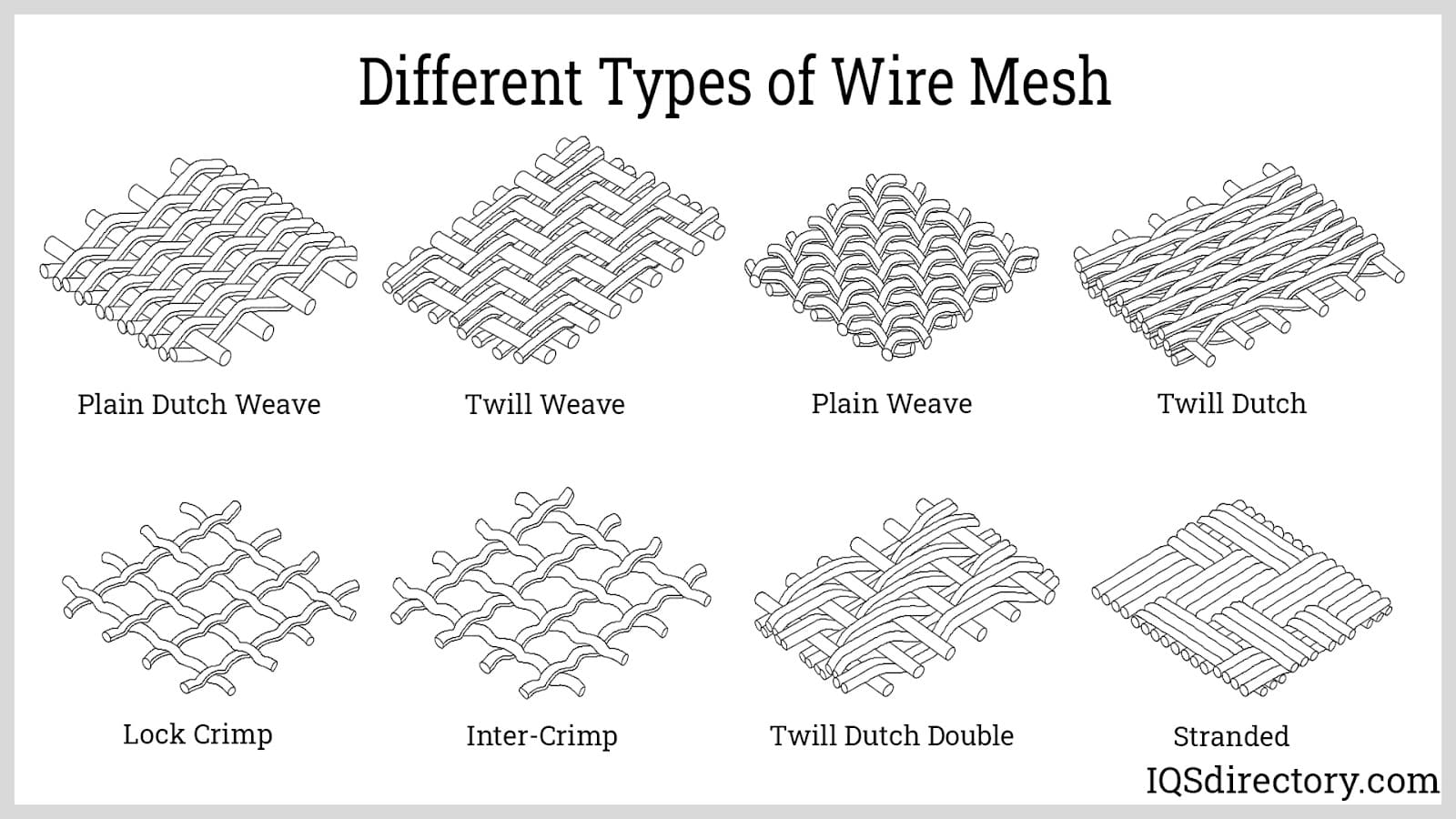
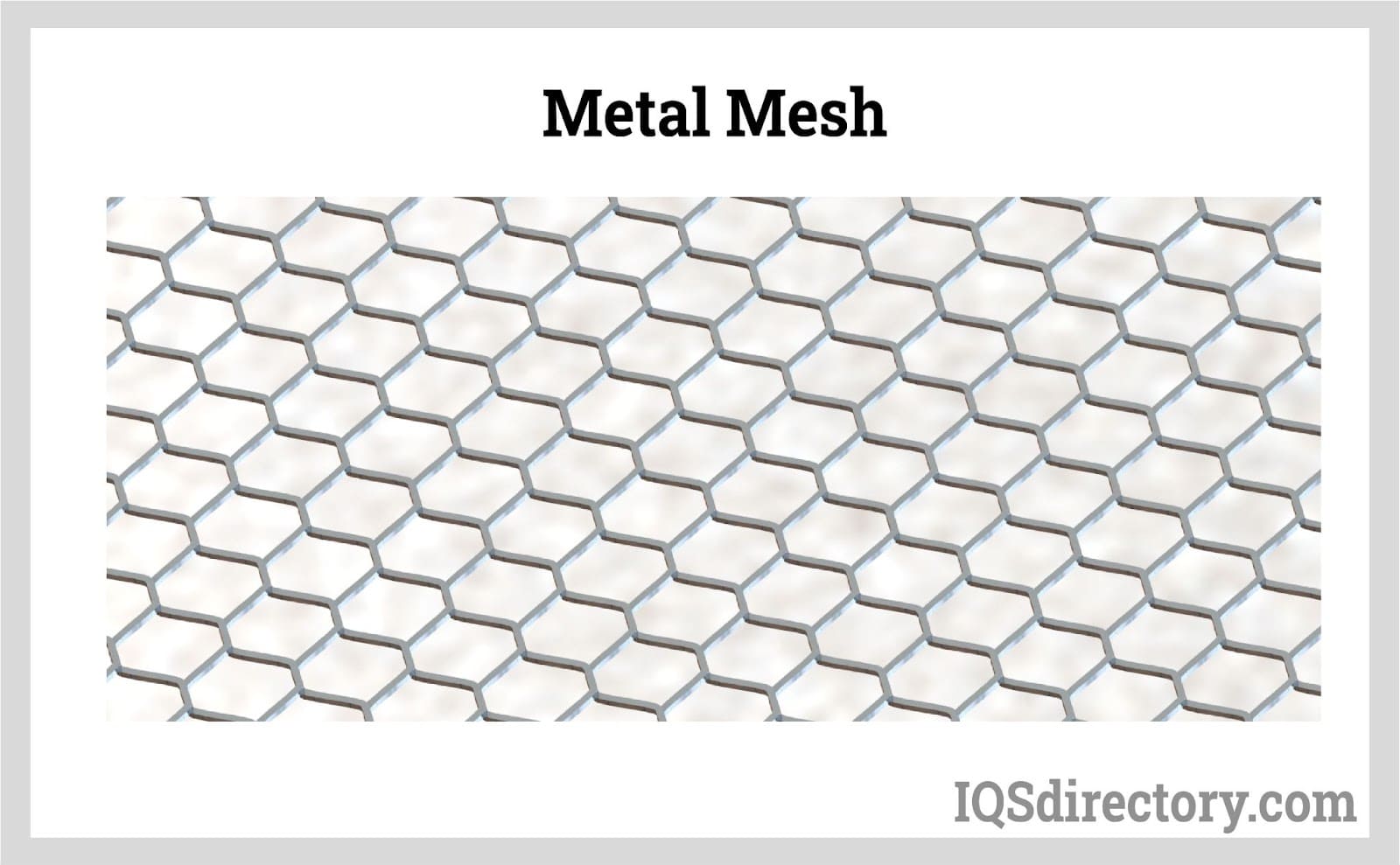
Strainers play an important role across many industries. For example, in dairy processing, large-pored strainers are used to filter out undesirable particles from milk, ensuring product quality while preserving valuable nutrients and smaller particles. In heavy-duty industrial applications, strainers are typically constructed from durable metals such as stainless steel and are formed into mesh or perforated baskets. For lighter-duty or less abrasive applications, strainer elements may be made of cloth or other synthetic materials, offering flexibility and cost savings.
Types of Strainers
Choosing the right type of strainer is crucial for optimizing your fluid filtration process. The main types of strainers available include basket strainers, duplex strainers, self-cleaning strainers, and temporary strainers. Each offers distinct advantages and is suitable for specific use cases, industries, and fluid characteristics. Below, we explore each type to help you determine which is best for your operational requirements.
Basket Strainers
Basket strainers are among the most commonly used filtration devices in water treatment plants, manufacturing facilities, and process industries. Installed primarily in horizontal pipelines, basket strainers are positioned upstream of sensitive machinery, valves, pumps, and other equipment to intercept and trap debris before it can cause wear or operational issues. By preventing larger particles from entering critical components, basket strainers help reduce maintenance costs, minimize equipment downtime, and extend the service life of downstream systems.

Basket strainers are the preferred solution in scenarios where fine filtration is needed but maintaining high flow rates and minimal pressure drop is a priority. Typically crafted from stainless steel or other corrosion-resistant alloys, basket strainers are engineered for durability, easy cleaning, and prolonged service intervals. Their unique basket-shaped filter element creates a large surface area, resulting in a higher contaminant holding capacity and extended operational cycles between cleanings or replacements. This design is especially advantageous in high-volume or continuous-flow applications.
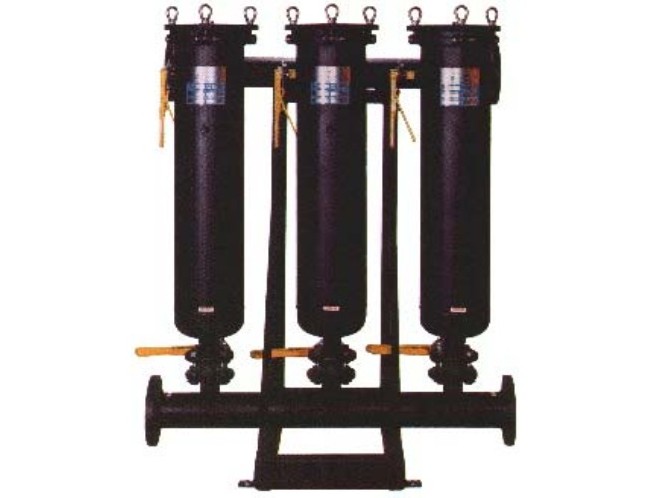
Cleaning and maintenance of basket strainers are straightforward, with many models featuring quick-release covers or removable baskets for rapid servicing. Advanced options include double or multi-cylinder configurations, allowing for uninterrupted operation during cleaning cycles. The selection of mesh size or perforation rating is determined by the nature and size of contaminants to be removed, ensuring the filtration solution is tailored to the specific needs of your process. Basket strainers are a versatile and customizable choice for industries such as water treatment, chemical manufacturing, food and beverage processing, and oil and gas.
Duplex Strainers
Duplex strainers, also known as dual basket strainers or twin basket strainers, are engineered to provide continuous filtration without halting your process flow. These systems feature two parallel strainer baskets housed within a single unit, with a diverting valve or switching mechanism that allows operators to isolate and clean one basket while the other remains in service. This design is particularly beneficial in applications where process downtime is costly or unacceptable, such as in industrial water filtration, chemical processing, or fuel handling systems.
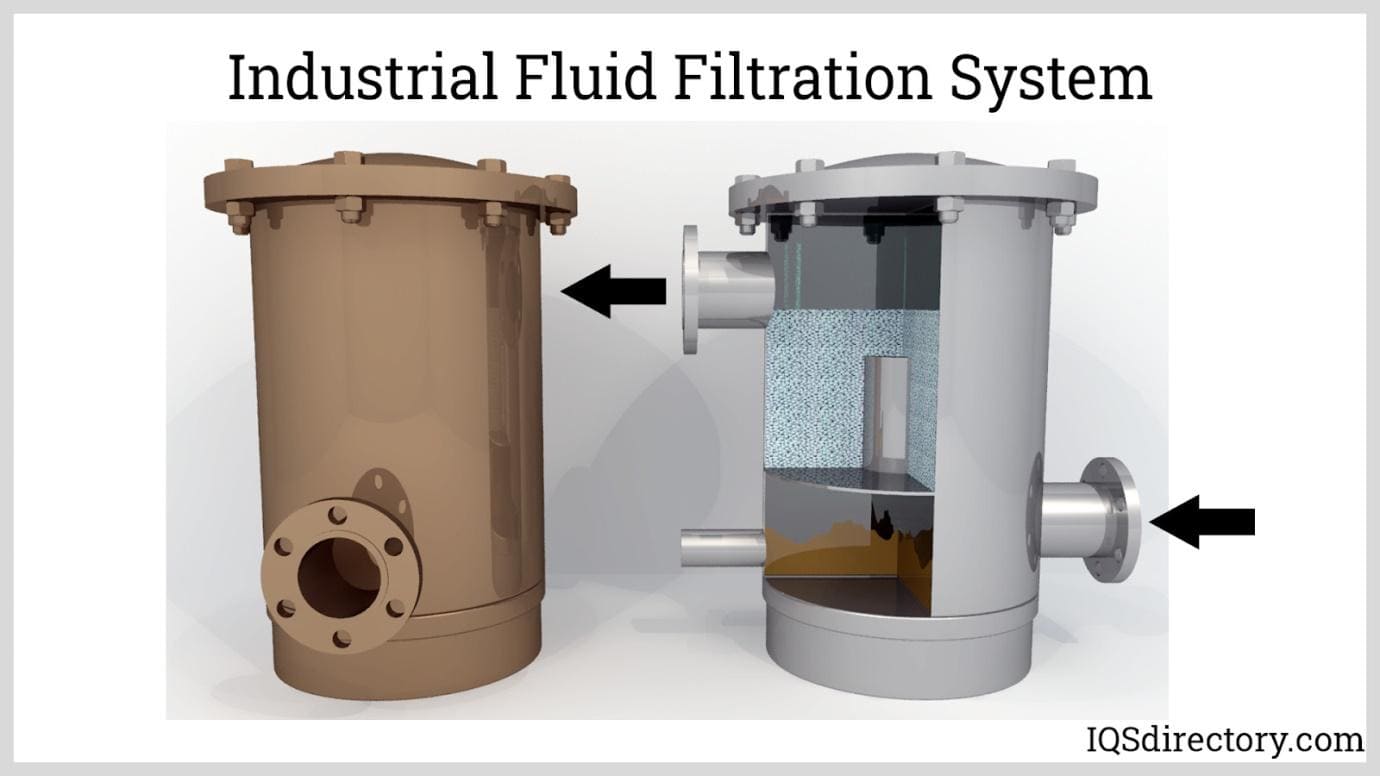
Duplex strainers provide the same filtration efficiency as single basket strainers but add redundancy and operational flexibility. Workers can quickly switch flow between the baskets, minimizing pressure loss and maintaining consistent system performance. This configuration is ideal for high-demand environments, continuous production lines, or facilities where shutdowns for cleaning are logistically challenging. Choosing duplex strainers helps ensure uninterrupted protection for pumps, valves, heat exchangers, and other sensitive equipment.
Self-cleaning Strainers
Self-cleaning strainers, also called automatic or backwash strainers, are advanced filtration systems designed for applications where continuous operation and minimal manual intervention are required. These motorized strainers use a combination of mechanical, hydraulic, or pneumatic cleaning mechanisms to remove accumulated debris from the filter element without stopping the flow or opening the housing.
In typical operation, liquid enters the self-cleaning strainer and flows through the filter element, which captures suspended solids and particulates. As debris accumulates, a differential pressure sensor or timer triggers the cleaning cycle. The system then activates a backwash or flushing process, dislodging and removing contaminants through a dedicated drain or flush valve. This automatic cleaning sequence ensures a consistent filtration level, low pressure drop, and reliable operation, even in high-solids or high-viscosity liquid streams.
Self-cleaning strainers are highly effective for a wide range of fluids, including freshwater, brackish water, seawater, cooling water, process chemicals, and viscous liquids such as oils or syrups. They are commonly used as both pre-filters and secondary filters in municipal water treatment, irrigation systems, cooling towers, food and beverage production, and industrial wastewater treatment. The result is reduced maintenance labor, lower operating costs, and improved safety, as there is no need to manually open the system for cleaning.
Temporary Strainers
Temporary strainers are designed for short-term installation during system start-up, commissioning, or after maintenance activities. Their primary function is to capture coarse debris, rust flakes, weld slag, and other contaminants that may be present in new or recently serviced pipelines. Once the system is confirmed to be free of unwanted particles, the temporary strainer is removed, and a spacer or gasket is installed in its place.
Available in various designs—including flat disk, conical (cone-type), and basket shapes—temporary strainers offer flexibility in installation and filtration area. Cone-shaped strainers provide a larger effective surface area, which increases dirt-holding capacity and reduces the risk of clogging. Flat disk strainers are preferred where space constraints prevent the use of larger baskets. Mesh size and material selection can be customized based on the specific contaminants to be removed and system operating conditions.
Temporary strainers are an economical solution for one-time or periodic filtration needs, helping prevent premature equipment wear and ensuring a clean system at start-up. They are widely used in the oil and gas industry, petrochemical facilities, power plants, and HVAC systems.
Applications of Strainers
Strainers are versatile filtration devices used across numerous industries and systems to protect equipment, maintain fluid quality, and ensure process reliability. Some of the most common applications of industrial strainers and liquid filtration products include:
- Protecting pumps, compressors, turbines, and other machinery by keeping contaminants out of process fluids and lubricants.
- Maintaining water clarity and hygiene in swimming pool pumps and filtration systems. For example, basket strainers are widely used in swimming pool circulation systems to trap leaves, insects, and debris, ensuring clean and safe water for users.
- Removing larger particles such as organic matter, sand, rocks, scale, and chemical agglomerates from industrial and municipal pipelines, thereby preventing blockages and corrosion.
- Enhancing process efficiency in petrochemical operations by straining out solids from fuel lines, transport pipelines, and chemical reactors, resulting in improved product purity and reduced equipment fouling.
- Ensuring product quality in paint and coatings manufacturing by filtering out lumps, coagulated pigments, and foreign matter before packaging or application.
- Safeguarding sensitive instrumentation, valves, and control systems from particulate contamination in water treatment, steam generation, and HVAC plants.
- Filtration of process fluids in pharmaceutical, food and beverage, and cosmetic production, where product safety and regulatory compliance are paramount.
- Pre-filtration in desalination plants, cooling towers, irrigation systems, and boiler feedwater treatment to extend the lifespan of fine filters and membranes.
Looking for more information about specific strainer applications in your industry? Ask us how strainers can optimize the performance of your water treatment system, chemical process, or manufacturing operation.
Benefits of Strainers
Integrating the right type of strainer within your liquid filtration system provides a host of operational, financial, and safety benefits. Here's why strainers are a smart investment for any facility concerned with fluid management and equipment protection:
- Highly effective at removing suspended solids, sediment, and debris, preventing premature wear and costly repairs to downstream equipment.
- Basket strainers offer a large dirt-holding capacity and maintain steady system pressure, reducing the frequency of maintenance and associated downtime.
- Stainless steel and corrosion-resistant designs ensure easy cleaning, long service life, and compatibility with aggressive or high-temperature fluids.
- Duplex strainers allow for seamless rotation between filter elements without shutting down the system, supporting continuous and uninterrupted operations.
- Self-cleaning strainers minimize manual intervention and labor costs, providing automatic removal of contaminants and consistent filtration performance.
- Customizable mesh sizes and materials allow strainer systems to be tailored to specific process requirements and contaminant profiles.
- Improved product quality, regulatory compliance, and environmental protection through the effective separation of solids from liquids.
- Lower total cost of ownership by reducing maintenance frequency, replacement costs, and process interruptions.
Not sure which strainer type is best for your application? Contact our filtration experts to discuss your unique requirements and receive personalized recommendations.
How to Select the Right Strainer for Your Application
Selecting the most suitable industrial strainer or liquid filtration product for your process involves careful consideration of several factors, including fluid type, flow rate, operating pressure, contaminant characteristics, and cleaning requirements. Here are some key decision points to help guide your purchasing process:
- Contaminant Size & Type: What is the size, shape, and nature of the particles you need to remove? Fine mesh basket strainers are ideal for small particulates, while perforated baskets handle larger debris.
- Required Flow Rate: What is the maximum and minimum flow your system must handle? Select a strainer with adequate surface area to maintain desired flow with minimal pressure loss.
- Pressure Drop Tolerance: How much pressure loss can your system accommodate? Basket and duplex strainers can be sized to minimize pressure drop, while self-cleaning strainers automatically maintain flow rates.
- Material Compatibility: Are your process fluids corrosive, abrasive, or high temperature? Stainless steel, alloy, and specialty coatings provide enhanced durability and chemical resistance.
- Cleaning & Maintenance: Do you require manual, semi-automatic, or fully automatic cleaning? Duplex and self-cleaning strainers reduce labor and process interruptions.
- Installation Constraints: Consider available space, piping configuration, and connection types when selecting strainer dimensions and mounting options.
- Budget & Lifecycle Costs: Evaluate the total cost of ownership, including purchase price, maintenance, replacement parts, and potential downtime.
Need help comparing strainer models or want a custom filtration assessment? Request a free consultation or quote from our team today.
Choosing the Right Strainer Supplier
To ensure the best results for your filtration project, it’s essential to partner with a reputable, experienced strainer supplier or manufacturer. Here’s how to make an informed purchasing decision when sourcing industrial strainers, basket strainers, duplex strainers, or self-cleaning strainers:
- Compare at least four suppliers using our comprehensive strainer supplier directory. Each supplier profile highlights their expertise, capabilities, certifications, and product range.
- Visit each strainer company’s website using our patented website previewer tool to assess product quality, technical resources, and customer support options.
- Use our simple RFQ (Request for Quote) form to contact multiple strainer manufacturers or distributors with your project specifications and receive competitive pricing.
- Review supplier references, case studies, and testimonials to confirm their reliability and track record in your industry.
- Inquire about warranty coverage, after-sales support, and available spare parts to ensure long-term satisfaction with your purchase.
Choosing the right supplier not only guarantees product quality and timely delivery but also provides access to technical support and after-market service—key factors in maximizing the value of your strainer investment.
Ready to improve your filtration process or have questions about selecting the best strainer for your needs? Contact us now for tailored recommendations, technical support, or to request a quote from leading strainer manufacturers.
Frequently Asked Questions About Strainers
What is the difference between a strainer and a filter?
A strainer is designed to remove larger, visible particles from a liquid or gas flow, typically using a mesh or perforated element. Filters, on the other hand, are capable of capturing much smaller particles, including sub-micron contaminants, often using media such as activated carbon, ceramics, or membranes. Strainers are ideal for pre-filtration and equipment protection, while filters provide finer purification.
How often should a strainer be cleaned or replaced?
Cleaning frequency depends on the application, contaminant load, and strainer type. Basket and duplex strainers may require cleaning weekly or monthly, while self-cleaning strainers automate the process. Always follow manufacturer guidelines and monitor pressure drop to determine maintenance intervals.
Can strainers be customized for unique applications?
Yes! Strainers can be custom-engineered with specific mesh sizes, materials, pressure ratings, and mounting configurations to meet the demands of different industrial and commercial processes.
What industries commonly use strainers?
Strainers are used in water treatment, oil and gas, chemical processing, power generation, food and beverage, pharmaceuticals, HVAC, marine, and many other sectors requiring liquid filtration and particle separation.
How do I choose the right mesh size for my strainer?
Mesh size selection is determined by the size of contaminants to be removed and desired filtration efficiency. Consult with a strainer manufacturer or filtration expert to select the optimal mesh for your specific application.
Still have questions? Explore our knowledge base or speak with a liquid filtration specialist for expert guidance on all things strainers and industrial filtration solutions.
 Air Filters
 Liquid Filters
 Filtering Systems
 Castings & Forgings
 Bulk Material Handling
 Electrical & Electronic Components
 Flow Instrumentation
 Hardware
 Material Handling Equipment
 Metal Cutting Services
 Metal Forming Services
 Metal Suppliers
 Motion Control Products
 Plant & Facility Equipment
 Plant & Facility Supplies
 Plastic Molding Processes
 Pumps & Valves
 Recycling Equipment
 Rubber Products & Services